Serving Voorhees
Insurance Claim Assistance in Voorhees
Call us for a free insurance claim assistance estimate
Serving Voorhees
Call us for a free insurance claim assistance estimate
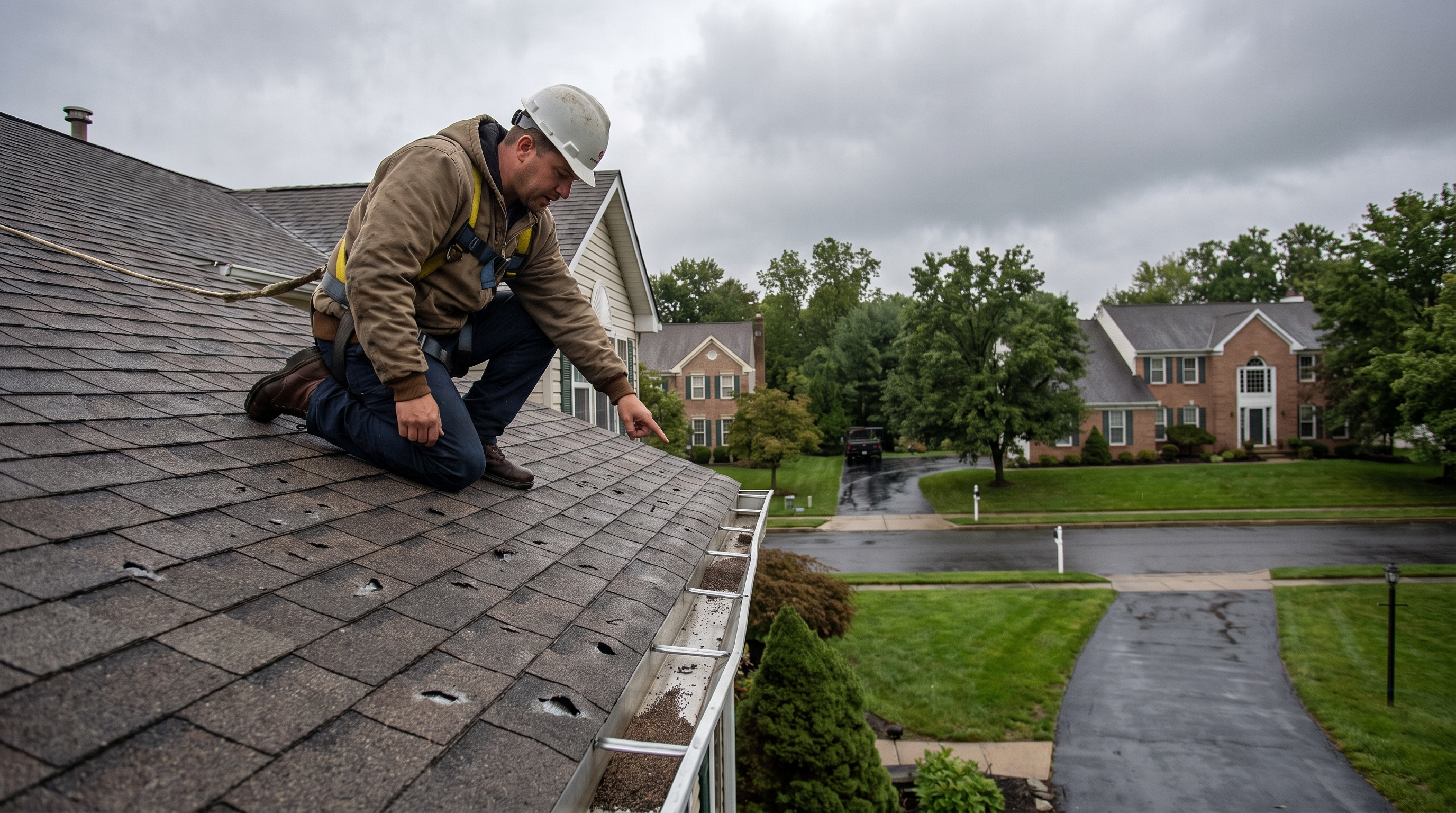
Insurance claim assistance starts before the claim gets filed. The contractor inspects the roof, documents hail hits, records collateral metal damage, and helps identify the likely storm date. That documentation gives the carrier something concrete to review. Once the claim opens, the adjuster visit becomes the next important step. A storm roofing contractor can be present to point out damage on the roof, low-slope sections, ridge caps, gutters, vents, and flashing. Adjusters can miss damage on shallow sections, shaded areas, and the north side of the roof where hail struck at an angle. The estimate then needs a careful read. Initial carrier estimates can miss code items, drip edge, ice and water shield, tear-off layers, steep or low-slope charges, damaged gutters, skylights, vents, and metal caps. Supplementing those items is normal when the scope does not match the real work. In Cherry Hill, homeowners may deal with State Farm, Allstate, NJM Insurance Group, Travelers, or another carrier. The contractor does not replace your insurance company or act as legal counsel, but a claim-ready roofer can help you understand the process and avoid obvious documentation gaps.
Voorhees sits close enough to Cherry Hill that many storms affect both communities, but hail damage can still vary from street to street. Tree cover, roof age, slope direction, and shingle type can make one home show clear bruising while the next house looks untouched. A Voorhees inspection should focus on roof faces that took wind-driven hail, plus gutters, vents, and flashing that may hold cleaner impact marks than the shingles. Many homes in the area have additions, attached garages, and porch sections that create roof transitions. Those transitions need careful flashing review during replacement because hail and wind can expose weak spots where low-slope sections meet steeper shingle areas. If insurance is involved, the contractor documents the roof before filing or before the adjuster visit. Photos, storm dates, and component notes help the carrier review the claim without relying on a vague statement that the roof looks worn.
You get help understanding depreciation, recoverable holdback, deductibles, and when the final payment gets released.
The contractor records the roof condition early, while hail marks and metal dents remain clear. That can make later questions easier to answer.
Start with a free inspection and find out whether the claim has enough support.
Free — no obligations