Serving Medford
Free Storm Damage Inspection in Medford
Call us for a free free storm damage inspection estimate
Serving Medford
Call us for a free free storm damage inspection estimate
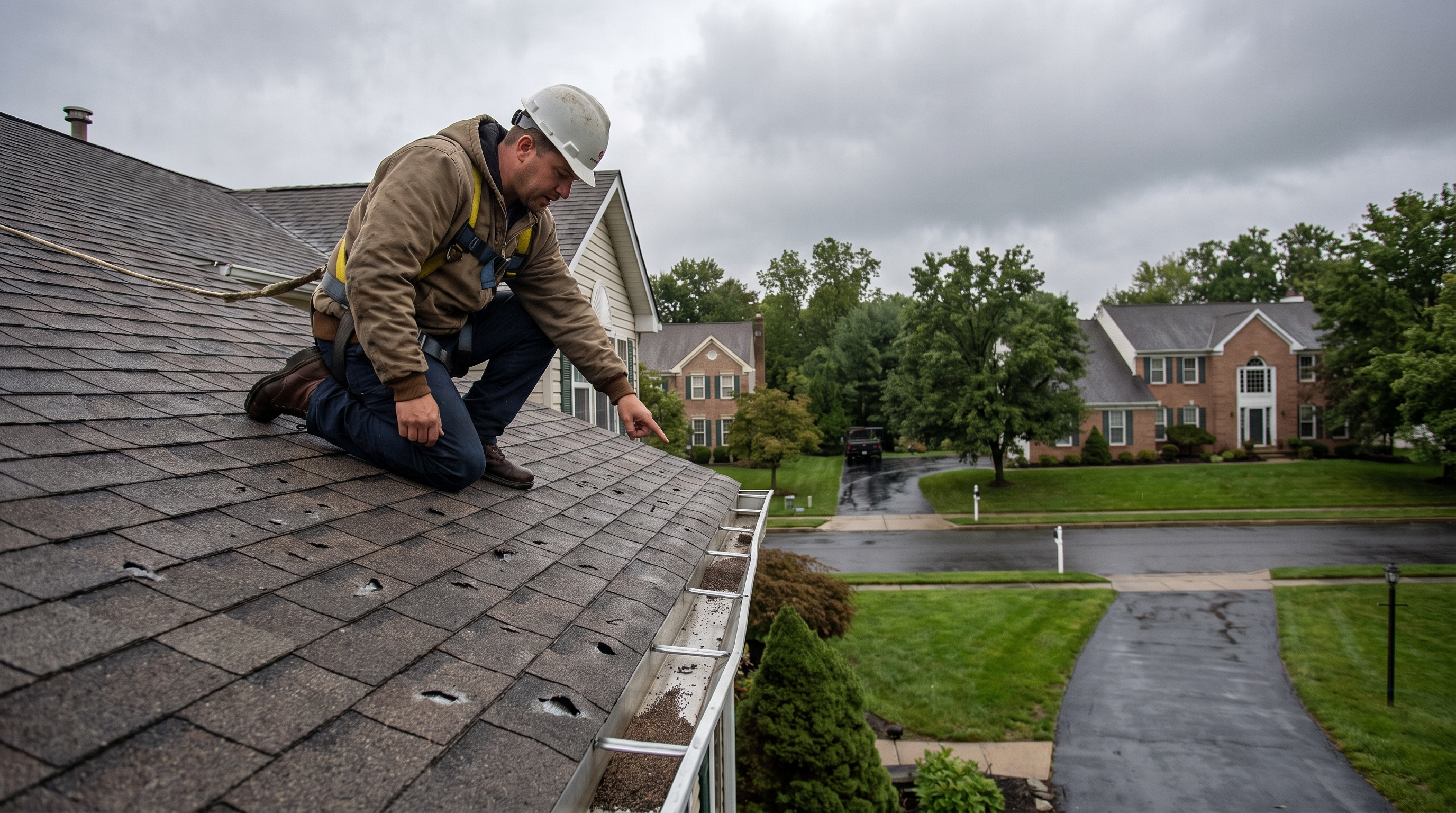
A Cherry Hill storm damage inspection starts with the date and direction of the storm. Hail usually leaves a pattern, with heavier impact on the windward roof slope and visible dents on soft metal items such as gutters, vents, pipe boots, and flashing. The contractor checks those clues before calling the roof storm damaged. The shingle surface gets a hands-on review. On many older Cherry Hill roofs, hail bruises can be subtle because the shingles already have granule wear from age, heat, and past weather. The inspection looks for circular impact marks, exposed asphalt, mat bruising, broken seal strips, creased tabs, and missing granules in a storm pattern. Low-slope porch and addition roofs get extra attention. Shallow sections can hide damage near sidewalls, valleys, and tie-ins, and they often need different underlayment during replacement. Catching that early can prevent a replacement estimate that misses the leak-prone parts of the roof. After the inspection, you should know whether the damage looks claim-worthy, whether more documentation is needed, and which parts of the roof system need repair or replacement. If the evidence does not support a claim, you should hear that too.
Medford homes can have more tree coverage and varied roof exposure than denser suburban blocks, which changes how hail damage shows up. Branch cover may shield one slope while wind drives hail into another. That makes a roof-by-roof inspection more useful than assuming the whole neighborhood has the same damage. The contractor checks shingles, gutters, vents, flashing, and roof metal for impact marks and water entry risk. Older shingle surfaces can hide bruising under general wear, so the inspection looks for patterns tied to the storm direction rather than scattered granule loss. If replacement is needed, roof access, slope, underlayment, drip edge, ventilation, and low-slope tie-ins all affect the final scope. Insurance claim support can help Medford homeowners document the damage before the adjuster visit and review whether the carrier estimate matches the work the roof needs.
The contractor documents damage in the format carriers expect: storm date, slope direction, photo evidence, and collateral damage.
If the roof shows age but not enough hail damage, you should know before opening a claim. That protects you from starting a process with weak evidence.
A free inspection gives you photos and a clear next step before you call the carrier.
Free — no obligations