Cherry Hill free storm damage inspection
Free storm damage inspections for Cherry Hill roofs
Get the roof checked before an adjuster visit or the next hard rain exposes hidden damage.
Cherry Hill free storm damage inspection
Get the roof checked before an adjuster visit or the next hard rain exposes hidden damage.
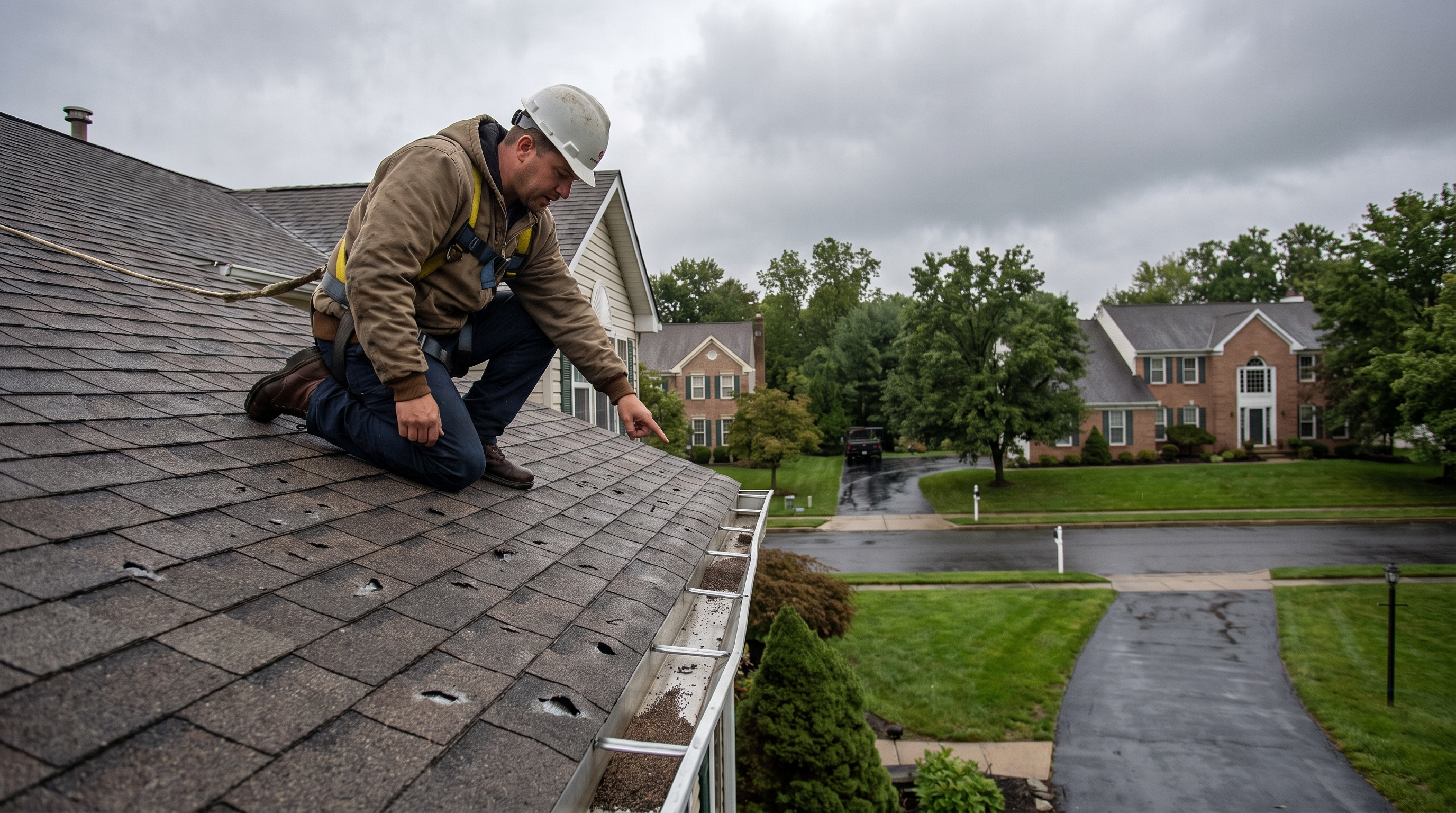
A Cherry Hill storm damage inspection starts with the date and direction of the storm. Hail usually leaves a pattern, with heavier impact on the windward roof slope and visible dents on soft metal items such as gutters, vents, pipe boots, and flashing. The contractor checks those clues before calling the roof storm damaged. The shingle surface gets a hands-on review. On many older Cherry Hill roofs, hail bruises can be subtle because the shingles already have granule wear from age, heat, and past weather. The inspection looks for circular impact marks, exposed asphalt, mat bruising, broken seal strips, creased tabs, and missing granules in a storm pattern. Low-slope porch and addition roofs get extra attention. Shallow sections can hide damage near sidewalls, valleys, and tie-ins, and they often need different underlayment during replacement. Catching that early can prevent a replacement estimate that misses the leak-prone parts of the roof. After the inspection, you should know whether the damage looks claim-worthy, whether more documentation is needed, and which parts of the roof system need repair or replacement. If the evidence does not support a claim, you should hear that too.

The inspection covers the visible roof system and the collateral damage that helps confirm hail impact.
The contractor checks each accessible roof slope for hail bruising, granule loss, broken tabs, lifted edges, and impact patterns. Photos document marked damage areas so the findings do not rely on memory.
Hail often leaves clear dents on gutters, downspouts, vent caps, roof jacks, and flashing. Those marks can support the roof findings and may need repair as part of the full storm scope.
Porch roofs, additions, and shallow transitions get checked for flashing gaps, ponding risk, and damaged tie-ins. These areas can drive leaks after a storm even when the main slope sheds water.
The contractor documents damage in the format carriers expect: storm date, slope direction, photo evidence, and collateral damage.
If the roof shows age but not enough hail damage, you should know before opening a claim. That protects you from starting a process with weak evidence.
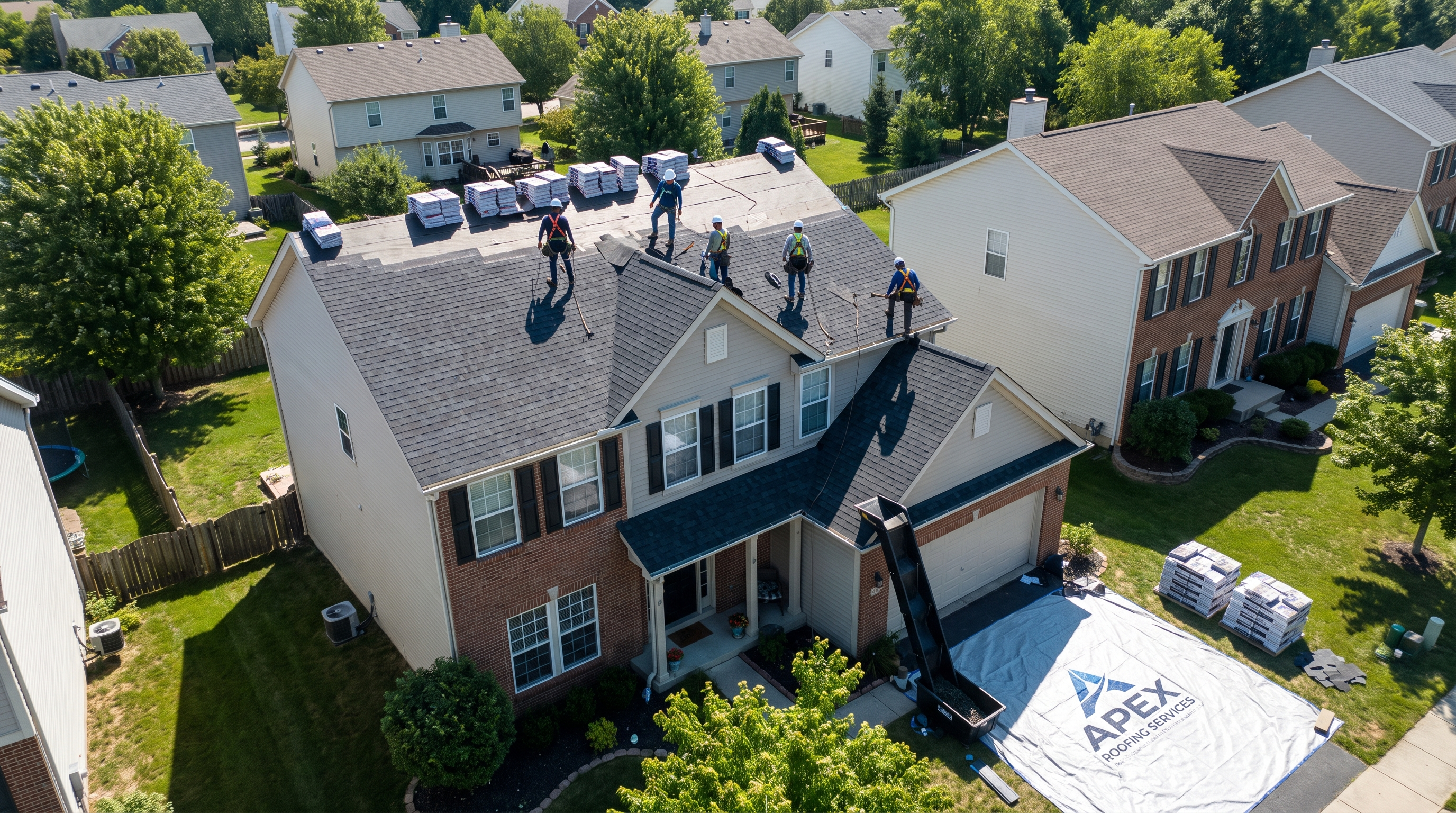
A free inspection gives you photos and a clear next step before you call the carrier.
Free — no obligations
The contractor asks when the storm happened, what size hail you saw, and whether nearby homes reported roof damage.
Roof slopes, gutters, vents, flashing, skylights, and low-slope sections are checked for impact marks and water entry risk.
Damage areas are photographed and organized by roof face or component so you can understand what was found.
You receive a clear recommendation on claim filing, repair, replacement, or monitoring the roof.